Short answer: yes, modestly, and the effect can last. In one well-known study, people who wrote down three good things every night for just one week were happier and less depressed than a placebo group a month later, and the difference held at six months. Gratitude isn't a cure for anything, but it's free, it takes five minutes, and it pairs with the other habit the happiest people share: being part of a strong community.
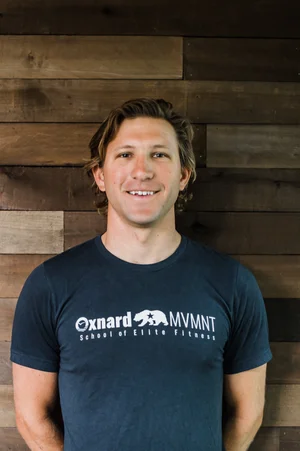
I own two CrossFit gyms in Ventura County. We're a gym that chases health, and I believe happiness is part of health. A gym that ignores your happiness isn't doing its job.
So this Thanksgiving week, I want to talk about the two habits I see in the happiest people I know.
Why you suddenly see RAV4s everywhere
Buy a RAV4 and all of a sudden they're on every road. They were always there. You just weren't looking.
Linguist Arnold Zwicky named this the frequency illusion. It's also called the Baader-Meinhof phenomenon. Once something is on your radar, you notice it everywhere. The mechanism is selective attention: your brain can't process everything, so it filters, and it lets through what you've told it matters.
Most of us have trained that filter to hunt for problems. Gratitude practice is a deliberate way to point it at the good things too.
What the research says about gratitude
Three good things, one week, six months of results. In a 2005 randomized trial led by Martin Seligman, people wrote down three things that went well each night for one week. Compared with a placebo group, they were happier and less depressed one month later, and the difference was still there at three and six months. The benefit was strongest in people who kept the habit going on their own.
Gratitude and exercise. In a nine-week study, people who kept a short weekly gratitude list felt better about their lives and were more optimistic about the week ahead than people who wrote about their hassles. They also reported exercising more than an hour more per week.
The honest size of the effect. Across dozens of studies, the benefit of gratitude practice is real but modest. It's not a treatment for depression or anxiety. If you're struggling, talk to a professional. Think of gratitude as one helpful habit, not a fix.
The 7-day gratitude challenge
Here's what I'm asking you to do this Thanksgiving week, Monday through Sunday:
Every night: open your phone and write down three things you were grateful for that day. Anything counts: three meals, seeing an old friend, going to work or getting the day off, getting to exercise.
Every morning: before anything else, reread the three things you wrote the night before.
Sunday night: take a simple inventory. Did this make you happier, less happy, or no different?
Then tell me how it went. Leave a comment on this week's QuickCast episode on YouTube, or message me on Instagram at @kolby_krysto. I read every one.
Habit two: be part of a strong community
Humans are community creatures. We want to rely on one another, and the research on this is not soft.
A review of 148 studies and more than 300,000 people found that people with stronger social relationships were about 50 percent more likely to survive over the follow-up period.
The Harvard Study of Adult Development has followed people since 1938. Its director has said the people most satisfied in their relationships at 50 were the healthiest at 80.
In 2023, the US Surgeon General warned that about half of American adults report loneliness, and that the health risk of social disconnection is comparable to smoking up to 15 cigarettes a day.
One of our core values is Nobody Trains Alone. We built MVMNT Oxnard and CrossFit Ventura to be a community for your life. A second family, and for some people, their first.
What community looks like when life gets hard
We have something called the Hero Fund. One percent of every CrossFit membership goes into it, set aside for members going through a hard time.
One of our members, I'll call him Jameson, was going through a separation. Splitting assets, figuring out what would happen with the kids, carrying enormous emotional and financial stress. The gym is usually the first thing people cut in a season like that. We didn't want him to lose the place where his head got clear and his people had his back, so the Hero Fund helped him with three months of membership.
We've done the same for a couple facing an unplanned pregnancy and a sudden move, and for another couple expecting a baby in the middle of a job change and a home sale. Each got three months of membership from the Hero Fund.
There's a person behind every membership. Nobody here is a number.
Community means giving, not just taking
The people who get the most out of a gym community are the ones who pour into it. Volunteer at an event. Ask someone how you can help. Step in when somebody is in need. Research on volunteering links giving your time to better mood and life satisfaction, and in my experience, the people who show up for others are the ones the community stands behind when they need it most.
The bottom line
The happiest people I know do two things. They practice gratitude, and they're part of strong, resilient communities.
Try the seven days. And if you're looking for a place with people who'll be in your corner, start with our free Foundations Assessment at oxnardmvmnt.com/foundations-assessment, or message me on Instagram at @kolby_krysto. We coach in Oxnard and Ventura, and we'll meet you exactly where you are.
Happy Thanksgiving.
Listen to this week's QuickCast episode for the full conversation.
[PASTE TRANSISTOR PLAYER EMBED HERE]
Sources: